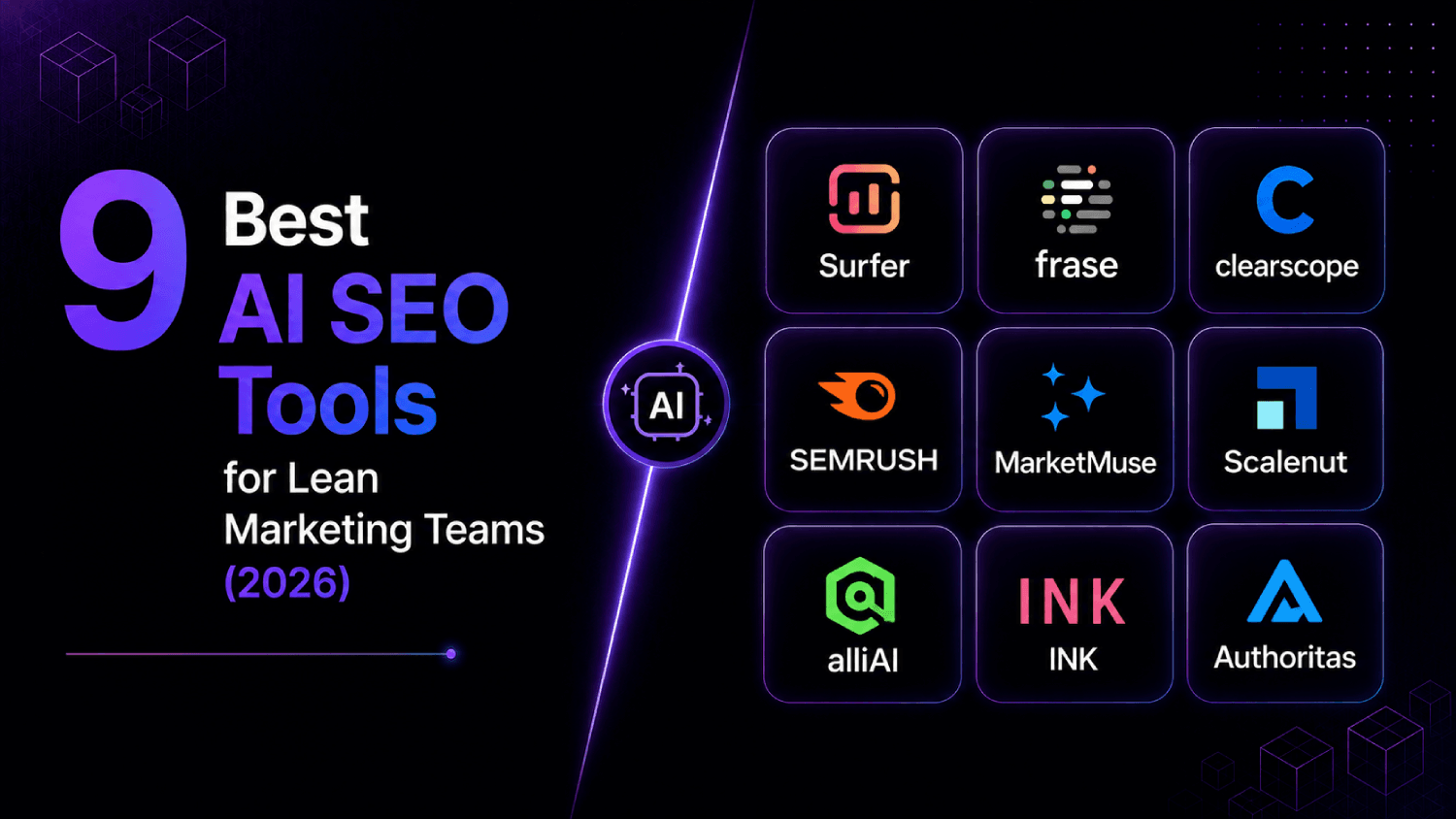
Maximizing Organic Visibility through Advanced Rank Tracking
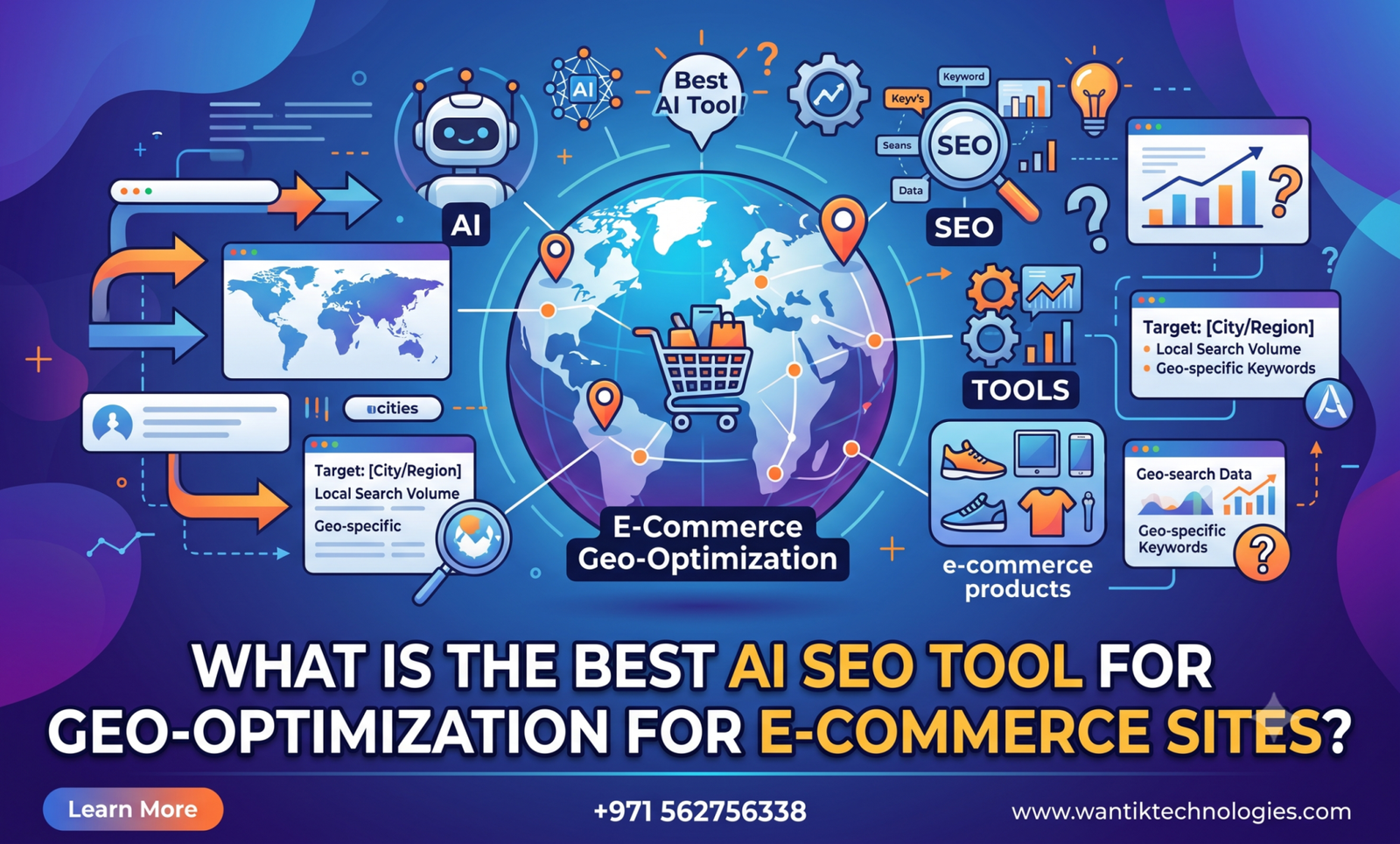
The most critical takeaway for 2026 is that the "all-in-one" dream is fading. The search landscape has actually become too complicated for any single tool to master every discipline perfectly. The most effective e-commerce brands are now developing a "Hybrid Stack"a carefully selected combination of tools that cover the three pillars of modern-day exposure: Intelligence, Optimization, and Efficiency.
Semrush or Ahrefs. Why: You require massive, historical data lakes to identify macro trends. These tools tell you what to discuss and who you are fighting versus. They are your strategic compass. Function: To engineer your material and technical infrastructure for both human beings and AI agents. Rankability or Surfer.
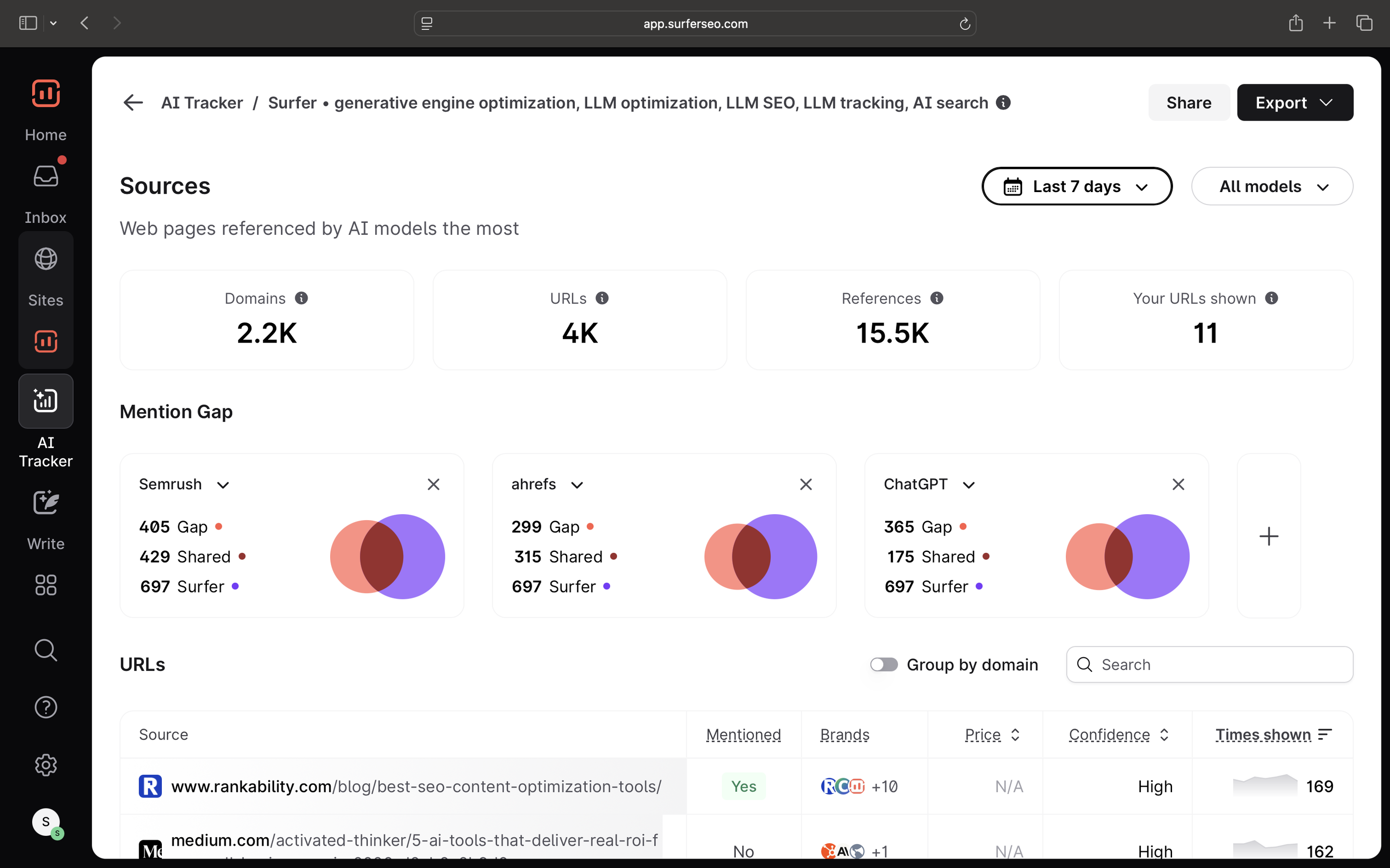
These tools ensure your content is "agent-ready," creating the files and entity associations required to be cited by ChatGPT and Gemini. Why: Intelligence suites are typically sluggish or utilize estimated information for rankings.
In 2026, many tools are adding generic "AI Writing Assistants" to justify price hikes. Invest your software spending plan on special datalike pixel tracking, historical SERP archives, or exclusive visibility scoresnot on generic text generation includes you can get somewhere else for free.
Understanding the particular mechanics of AI Overviews (AIO) is the only method to change your forecasting models. Contrary to earlier issues, AI Overviews have not "consumed" everything.
Create a Winning SEO Strategy for 2026The Future of Programmatic Content Strategies
The Strategic Implication: High-intent keywords (e.g., "buy noise-canceling earphones") are still controlled by Shopping Ads and conventional item grids. Your "Intelligence" tools (Category A) are essential here. For educational inquiries (e.g., "how do noise-canceling earphones work?"), AI has taken over. If your blog strategy depends on high-volume "how-to" traffic to feed your funnel, you are most likely seeing a on those particular pages.
This is not a failure of SEO; it is a change in user behavior. Users read the AI summary and leaving. However, this does not suggest "zero worth." It implies the metric of success has moved from Traffic to Share of Mind. Brand names that appear as "Cited Sources" in these zero-click summaries see an enormous increase in branded search volume later on in the journey.
Protecting continuous recommendations from generative engines needs an active system that influences every layer an AI design evaluates, from your technical site architecture to off-site community validation. Big Language Designs do not evaluate a website codebase in seclusion (they continuously cross-reference internal technical paths with off-site community discussions to validate real category authority).
Boosting Organic Rankings with Advanced Rank Tracking
is the first AI exposure platform developed specifically for the complex truth of commerce. The tool pairs prompt-level presence tracking across ChatGPT, Gemini, and Google AI Overviews with 3 specialized autonomous execution representatives: the Onsite Agent to immediately fix broken schemas and product details page structures, the Content Representative to generate review-backed purchasing guides, and the Activation Agent to activate real clients on the third-party online forums LLMs scan for validation.
This foundation of genuine buyer voices provides the tidy information streams that LLMs naturally trust to construct recommendations. Brand Names like David Protein and Beekman 1802 use this agentic infrastructure to align their operations with contemporary model habits. To evaluate your brand name's standard presence score, see or join the early access item waitlist at.
The objective is no longer to simply rank # 1 on a fixed list, however to secure "Pixel Visibility" across a fluid environment of AI Overviews, response engines, and traditional outcomes. The tools highlighted here have actually effectively adjusted to this volatility, providing the intelligence needed to browse the present search environment.
Evaluating the Best Keyword Tracking Tools for 2026
Meet the Tool That Gets Your Products Suggested by AI Rank tracking reports your ordinal position (e.g., "Rank 1"), which can be misguiding in 2026. "Pixel tracking" measures the outright pixel depth of your link from the top of the screen. Since AI Overviews and advertisements push natural outcomes down, a "Rank 1" result might in fact sit 1,200 pixels down the pagebelow the fold on a lot of devices.
This modification eliminated a massive quantity of bot traffic that was previously pumping up impression information. As noted by industry experts, this left brand names with cleaner, albeit lower, data.
An file functions as a sitemap particularly for AI representatives, directing crawlers like GPTBot to your crucial content. Developing this file makes sure that AI designs ingest your confirmed item data rather than "hallucinating" incorrect information, efficiently safeguarding your brand name equity in the. For small companies or lean groups, Wincher and SE Ranking are the top suggestions.
The effect is significant. Findings suggest that when an AI Summary exists on a SERP, the Click-Through Rate (CTR) for the leading natural outcome drops by approximately. This shift forces brands to focus on "Zero-Click" optimizationoptimizing to be cited in the response rather than just clicked. The "Excellent Decoupling" refers to the divergence between conventional ranking signals and actual exposure, largely activated by Google's elimination of the num=100 criterion and the increase of AI Overviews.
Reviewing Modern AI Writing Platforms for SEO
If you have a physical area, yes. Generalist tools frequently lack the hyper-local precision needed for "near me" searches. Tools like BrightLocal or Nightwatch offer grid-tracking technology that can demonstrate how your ranking changes from street to street, which is crucial for catching foot traffic in competitive local markets. Weekly reporting is no longer sufficient due to the high volatility of AI outcomes.
Tools like AccuRanker even provide on-demand refreshes, allowing you to inspect rankings quickly after an item upgrade or rate change. GEO is the practice of enhancing material specifically to be understood and cited by AI engines (like Google Gemini and ChatGPT). Unlike traditional SEO, which concentrates on keywords and links, GEO focuses on "Entity Authority," structured information, and direct answers, ensuring that your brand is recommended when an AI manufactures a reaction for a user.
Search engine optimization uses a broad array of quantifiable components. 2 of the a lot of basic are website gos to from organic search and target keyword rank.
For the latter, SEO specialists and digital marketers turn to rank tracker (a.k.a. rank checking or rank tracking) tools. Practically all of these tools will track rankings with time for several keywords on several engines for multiple URLs; some offer additional features like keyword tips, geo tracking (the capability to view rankings as if one were browsing from any particular city, or on numerous country-specific search engines), and different tracking for mobile and desktop search rankings.